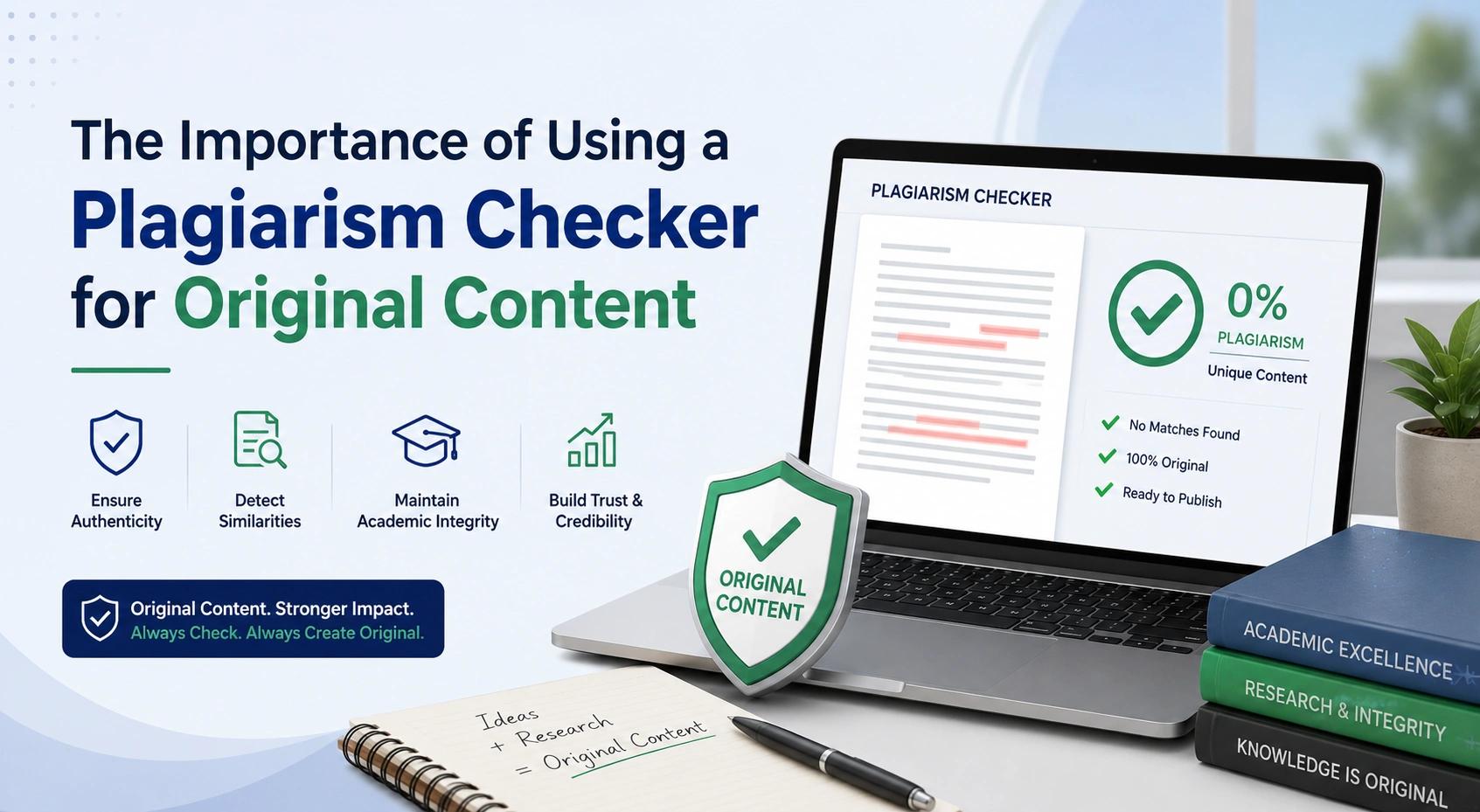
In today’s digital world, content is everywhere. From blog posts and academic papers to website copy and social media captions, millions of pieces of content are published online every day. With such a massive amount of information available, ensuring originality has become more important than ever. This is where plagiarism checkers play a crucial role.
A plagiarism checker is a tool designed to compare written content against billions of web pages, research papers, and online documents to identify copied or duplicated text. Whether you are a student, teacher, blogger, SEO writer, business owner, or publisher, plagiarism detection tools help maintain authenticity and credibility.
What Is Plagiarism?
Plagiarism occurs when someone copies another person’s words, ideas, or work without proper credit or permission. It can happen intentionally or accidentally. Common types of plagiarism include:
- Direct copying of text
- Paraphrasing without attribution
- Duplicate website content
- Self-plagiarism
- Improper citation of sources
Even unintentional plagiarism can damage credibility and create legal or academic consequences.
Why Plagiarism Checkers Are Important
1. Maintain Content Originality
Original content is essential for building trust and authority. Plagiarism checkers help writers ensure that their work is unique before publishing.
2. Improve SEO Performance
Search engines like Google prioritize unique and valuable content. Duplicate content can negatively affect search rankings and reduce website visibility. Using a plagiarism checker helps website owners avoid SEO penalties.
3. Protect Academic Integrity
Schools, colleges, and universities use plagiarism detection tools to verify assignments, research papers, and dissertations. Students can also use these tools to check their work before submission.
4. Save Time for Editors and Publishers
Manual plagiarism detection is difficult and time-consuming. Automated plagiarism checkers quickly scan large amounts of content and highlight matching sections.
5. Build Professional Credibility
Businesses and content creators rely on originality to establish trust. Publishing copied content can damage a brand’s reputation.
How a Plagiarism Checker Works
Most plagiarism checkers follow a similar process:
- The user uploads or pastes content into the tool.
- The system divides the content into smaller text segments.
- These segments are compared against online sources, articles, and databases.
- Matching content is identified and analyzed.
- A plagiarism score or similarity percentage is generated.
Advanced plagiarism detection systems may also use AI-powered algorithms, semantic analysis, and sentence structure comparison to identify paraphrased content.
Features to Look for in a Plagiarism Checker
When choosing a plagiarism detection tool, consider these important features:
Accurate Similarity Detection
A good plagiarism checker should accurately detect copied content across websites, PDFs, research papers, and online databases.
Detailed Reports
Comprehensive reports help users understand which sections are duplicated and where the original sources are located.
Real-Time Scanning
Fast scanning improves productivity, especially for agencies, students, and content teams handling large amounts of text.
AI Detection
Modern tools increasingly include AI content detection to identify text generated by artificial intelligence.
Multi-Language Support
Global users benefit from tools that can analyze content in multiple languages.
Privacy and Security
Content privacy is critical. Reliable plagiarism checkers should protect uploaded documents and avoid storing sensitive information.
Who Uses Plagiarism Checkers?
Students
Students use plagiarism detection tools to ensure assignments and research papers are original.
Teachers and Universities
Educational institutions use plagiarism software to maintain academic standards.
Bloggers and SEO Writers
Content creators rely on originality to rank higher in search engines and avoid duplicate content issues.
Businesses and Agencies
Marketing agencies and businesses use plagiarism checkers to verify website content, advertisements, and copywriting.
Publishers
Online publishers and editors use plagiarism tools before publishing articles and guest posts.
Benefits of AI-Powered Plagiarism Detection
Artificial intelligence has significantly improved plagiarism detection systems. AI-powered tools can:
- Detect paraphrased content
- Analyze sentence structure similarities
- Identify rewritten text
- Improve scanning accuracy
- Process large datasets quickly
These features make modern plagiarism checkers more reliable than traditional keyword-based systems.
Tips to Avoid Plagiarism
Here are some practical ways to avoid plagiarism:
- Always write content in your own words
- Properly cite sources and references
- Use quotation marks when necessary
- Keep track of research materials
- Use plagiarism checkers before publishing
- Paraphrase carefully while maintaining originality
Final Thoughts
Plagiarism checkers have become essential tools in education, publishing, digital marketing, and content creation. They help users maintain originality, improve SEO performance, and protect professional credibility.
As online content continues to grow, the demand for reliable plagiarism detection tools will only increase. Whether you are writing an academic paper, publishing a blog, or managing a business website, using a plagiarism checker is one of the best ways to ensure your content remains authentic and trustworthy.